Inside Afroman's Win: Surveillance Footage & Free Speech Defense
The legal saga surrounding Joseph Foreman, better known as the iconic rapper Afroman, recently culminated in a significant victory that has resonated far beyond the courtroom walls. What began as a contentious police raid on his Ohio home in 2022 transformed into a high-stakes civil trial, where Afroman’s right to free speech was pitted against claims of defamation and emotional distress from the very law enforcement officers who executed the search. The
Afroman's Legal Victory: Free Speech Prevails Over Police Suit isn't just a win for the artist; it's a testament to the power of personal surveillance footage and the enduring protections of the First Amendment in the digital age.
The Raid That Ignited a Controversy: No Charges, Just Damages
The roots of the compelling
Afroman Trial trace back to an August 2022 incident. Deputies from the Adams County Sheriff’s Office descended upon Foreman's Winchester home, acting on a warrant that cited probable cause for narcotics storage and alleged kidnappings. What followed was a forceful entry, captured in vivid detail by Afroman's extensive home surveillance system. Footage showed deputies breaking down a front gate, busting through a door, and causing other damage throughout the property.
However, the crucial detail that would later underpin Afroman’s entire defense was this: despite the aggressive nature of the raid and the serious accusations in the warrant, *no evidence of criminal activity was found*, and *no charges were ever filed* against Joseph Foreman. This seemingly fruitless search left Foreman with property damage and a profound sense of injustice, setting the stage for his artistic and legal response. It was this moment of perceived overreach and the subsequent lack of accountability that sparked the creative fire in Afroman, leading him to utilize the most direct and undeniable evidence at his disposal: his own home security footage.
"Lemon Pound Cake": Art, Activism, and the Power of Footage
In the aftermath of the raid, Afroman did what he does best: he turned his experience into music. The result was the song "Lemon Pound Cake," accompanied by a music video that leveraged the actual footage from his home surveillance system. The title itself was a witty nod to an observation made by one of the officers during the raid, who reportedly glanced at a lemon pound cake in Afroman's kitchen. This detail, seemingly innocuous at the time, became a symbolic representation of the unwarranted intrusion into his private life.
Afroman's intention behind "Lemon Pound Cake" was multifaceted. Primarily, he hoped to raise money to cover the damages incurred during the raid, famously stating, "If they hadn't wrongly raided my house, there would be no lawsuit... my money would still be intact." Beyond financial recovery, the song served as a powerful form of satire and protest, shining a light on what he viewed as an egregious misuse of power. The music video, featuring the unedited raid footage and even naming some of the deputies involved, quickly went viral, accumulating over 3 million views since its December 2022 release. This potent blend of personal experience, raw evidence, and artistic expression became the central exhibit in the ensuing
Afroman's 'Lemon Pound Cake' Trial: From Raid to Win.
The Defamation Lawsuit: Free Speech Under Scrutiny
The viral success and direct content of "Lemon Pound Cake" did not go unnoticed by the Adams County Sheriff’s Office. Four deputies, two sergeants, and a detective filed a civil lawsuit against Afroman, alleging that his music video defamed them, invaded their constitutional privacy, and caused intentional infliction of emotional distress. Their case highlighted the intense personal impact, with one deputy, Lisa Phillips, reportedly breaking into tears during her testimony as a video featuring suggestive innuendos directed at her was played in court. Another officer, Sgt. Randy Walters, detailed the harassment he faced, including being called a "son of a bitch" in person, though not published online by Afroman.
Afroman, represented by a robust defense team, argued vehemently that his actions were protected under free speech laws. He maintained that he was simply documenting and commenting on events that directly affected his life and property, using the very evidence provided by the officers themselves – their presence on his home surveillance system. His public statements leading up to and during the
Afroman Trial consistently emphasized this point: "All of this is their fault. If they hadn’t wrongly raided my house, there would be no lawsuit, I would not know their names, they wouldn’t be on my home surveillance system, and there would be no songs…"
This legal battle underscored a critical question: where do the boundaries of free speech lie when an individual uses public, albeit self-recorded, information to critique the actions of public officials? The deputies argued for their personal right to privacy and protection from harassment, while Afroman invoked the constitutional right to express his grievances through artistic means.
A Landmark Verdict: America Wins
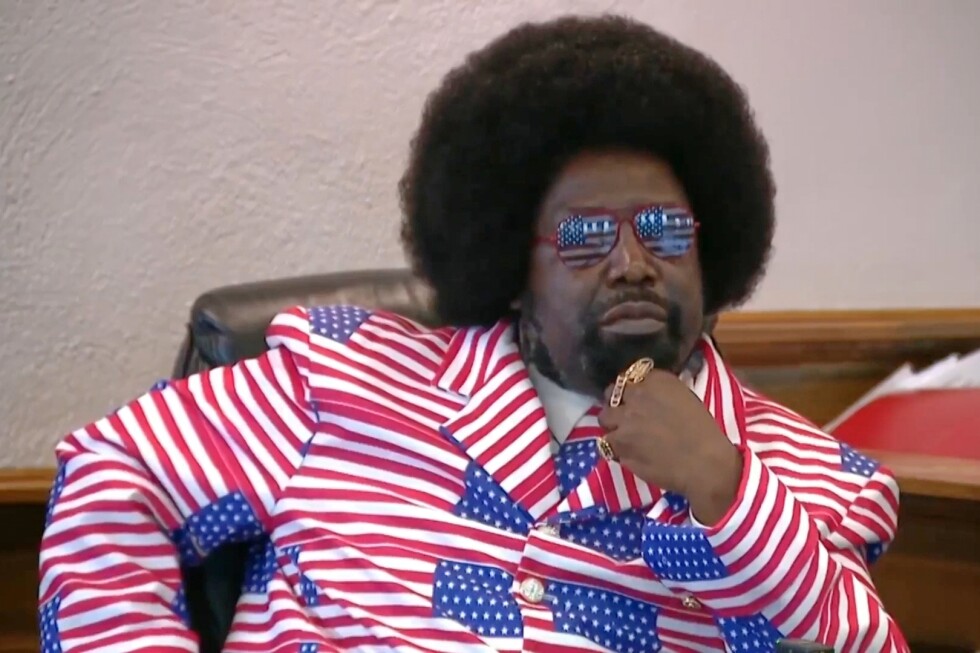
After an emotional and well-contested civil trial, an Adams County jury delivered its verdict: they sided with rapper Afroman. The announcement left Joseph Foreman visibly emotional, but his immediate reaction framed the victory not just as personal, but as a triumph for fundamental American values. "I didn’t win," Afroman declared. "America won. America still has freedom of speech. It’s still for the people by the people."
This verdict reaffirms the powerful role of the First Amendment, particularly when citizens use their own evidence to comment on interactions with law enforcement. It suggests that when public officials engage with citizens, especially in official capacities on private property, their actions can become part of the public discourse, subject to artistic interpretation and critique, especially if those actions are later deemed unwarranted.
Insights and Implications for Citizens and Artists
The
Afroman Trial provides several vital takeaways:
1. **The Indispensability of Surveillance Footage**: Afroman's home surveillance system was his most potent weapon. It provided undeniable, objective evidence of the raid's execution and the damage caused.
* **Practical Tip**: For homeowners, investing in a robust security camera system isn't just for theft prevention; it can be crucial for documenting interactions with visitors, including law enforcement, ensuring an accurate record of events.
2. **Free Speech vs. Public Figures**: The trial highlights the nuanced relationship between freedom of expression and the protection of individuals' reputations, especially when those individuals are public servants acting in an official capacity. The jury's decision suggests a strong leaning towards protecting the right to critique official actions, even if those critiques are sharp, satirical, and personally uncomfortable for the officials involved.
3. **Art as a Form of Accountability**: Afroman's "Lemon Pound Cake" stands as a powerful example of how art can serve as a vehicle for social commentary and accountability. It allowed him to process a traumatic event, seek restitution, and engage a broader audience in a conversation about civil liberties and police conduct.
* **Practical Tip for Artists**: While Afroman's case was successful, artists navigating similar situations should still be mindful of legal boundaries. Consulting with legal counsel on matters of defamation and privacy can help ensure artistic expression remains protected while minimizing legal risks.
4. **The Importance of Due Process**: The fact that no charges were filed against Afroman after such an invasive search underscores the critical importance of probable cause and due process. When raids occur without subsequent legal justification, it erodes public trust and can fuel justified outrage.
Conclusion
Afroman's victory in the civil trial is more than just a personal triumph for the artist; it's a significant affirmation of free speech rights in an era where personal surveillance technology provides unprecedented means for citizens to document their experiences. The
Afroman Trial demonstrated that when individuals feel their rights have been violated, their artistic expression, even if critical and uncomfortable for those involved, can be protected under the First Amendment. This case serves as a powerful reminder for law enforcement about accountability and for citizens about the enduring power of their constitutional rights, especially when backed by irrefutable evidence.