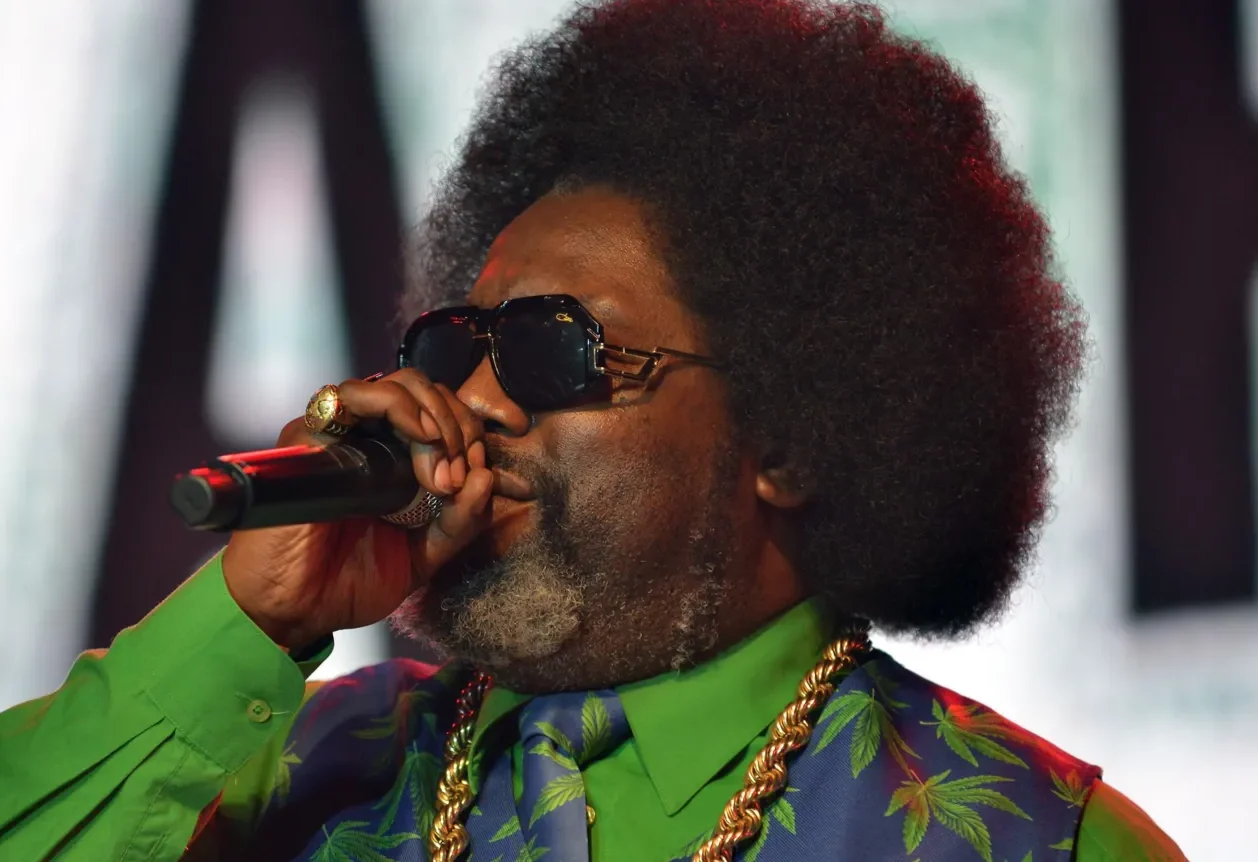
In a landmark decision that has sent ripples through the music industry and civil liberties circles, rapper Afroman, born Joseph Foreman, secured a resounding legal victory in a bizarre civil trial against the Adams County Sheriff’s Office. This crucial win affirms the enduring power of free speech and artistic expression, even when faced with serious allegations of defamation and emotional distress. The outcome of the Afroman's 'Lemon Pound Cake' Trial: From Raid to Win is not just a personal triumph for the "Because I Got High" artist, but a significant moment for accountability and the rights of individuals to speak truth to power, often through creative means.
The Genesis of a Lawsuit: From Fruitless Raid to Viral Anthem
The saga began in August 2022, when Joseph Foreman's Winchester, Ohio home became the scene of a police raid. Acting on a warrant citing probable cause for narcotics storage and alleged kidnappings, deputies from the Adams County Sheriff’s Office descended upon his property. What followed was a destructive and ultimately futile search, as no evidence of criminal activity was found, and consequently, no charges were filed against Foreman. The raid, however, was meticulously captured by Afroman's extensive home surveillance system, footage that would later become central to his defense and artistic expression.
Incensed by the unwarranted intrusion, the property damage—which included a broken front gate and a busted door—and the violation of his home, Afroman turned to his art. He crafted the song "Lemon Pound Cake," directly inspired by a peculiar moment during the raid when an officer glanced at a lemon pound cake in his kitchen. The accompanying music video utilized the actual surveillance footage of the raid, chronicling the officers' actions. Released in December 2022, the video quickly amassed over three million views, turning a personal grievance into a public spectacle and a powerful statement on police overreach. Foreman stated his intention was clear: to raise funds to cover the damages incurred during the raid.
"All of this is their fault," Foreman, clad in his signature patriotic attire, testified. "If they hadn't wrongly raided my house, there would be no lawsuit, I would not know their names, they wouldn't be on my home surveillance system, and there would be no songs... my money would still be intact." This sentiment encapsulates the artist's frustration and his assertion that his creative response was a direct consequence of the officers' actions.
The Adams County Sheriff’s Office Strikes Back: Allegations Against Afroman
The viral success of "Lemon Pound Cake" and subsequent related videos, which sometimes featured the names of the law enforcement agents involved, did not sit well with the Adams County Sheriff’s Office. Four deputies, two sergeants, and a detective filed a civil lawsuit against Afroman. Their allegations were serious, claiming the music video and other posts defamed them, invaded their constitutional privacy, and caused intentional infliction of emotional distress.
The trial saw emotional testimony from the plaintiffs. Deputy Lisa Phillips, who was called in off-duty for the raid, broke down in tears as a 13-minute music video by Foreman, featuring "highly suggestive innuendos" directed at her, was played in court. Sergeant Randy Walters also testified about the harassment he claimed to have endured since the raid, though he clarified that some of the more explicit insults, such as being called a "son of a bitch," were not published online. These testimonies highlighted the personal toll the videos allegedly took on the officers, making the Inside Afroman's Win: Surveillance Footage & Free Speech Defense a deeply emotional and closely watched event.
The core of the prosecution's argument was that Afroman had crossed a line, turning footage of officers performing their duty into a tool for personal attacks and financial gain, thereby violating their rights. This argument set the stage for a critical legal battle concerning the boundaries of artistic freedom versus individual privacy and reputation.
Free Speech Prevails: A resounding Verdict in the Afroman Trial
Afroman's defense team centered their argument on the First Amendment, asserting that the rapper's actions were protected under free speech laws. They contended that his songs and videos were a form of satire and commentary on a significant event in his life—a highly public, documented interaction with law enforcement. The fact that the officers were recorded on Foreman's own property, during an official duty that turned out to be baseless, was a crucial element of his defense.
After a contentious trial, an Adams County jury delivered its verdict: they sided with Afroman. The courtroom was thick with anticipation as the judge read the verdict, confirming the jury's decision in favor of Joseph Foreman. Afroman, visibly emotional, addressed the media after his win, making a profound statement that resonated far beyond his personal case.
"I didn’t win," Afroman declared. "America won. America still has freedom of speech. It’s still for the people by the people. This whole thing is their fault. They broke into my house, put themselves on my video cameras, and into my music career. With my freedom of speech, I had the right to talk about the events going on in my life, with my family, with my friends, and with my fans."
This statement underscores the broader implications of the Afroman Trial. It's a testament to the idea that individuals, especially those whose lives are disrupted by state action, have the right to document and comment on those events, particularly when those events occur on their own property and are captured by their own surveillance systems. The jury's decision affirmed that artistic expression, even when satirical or critical, is a protected form of speech.
Lessons from the Afroman Trial: Artistic Liberty and Accountability
The outcome of the Afroman Trial serves as a powerful reminder of several critical aspects of modern civil liberties and the role of art in social commentary:
- The Power of Personal Documentation: Afroman's extensive home surveillance system was the bedrock of his defense. This case highlights the increasing importance of individuals documenting interactions with law enforcement, not just for personal protection but also for public accountability. These recordings can serve as objective evidence against unwarranted claims or actions.
- Art as a Form of Protest and Healing: For Afroman, creating "Lemon Pound Cake" was both an act of protest against what he perceived as an injustice and a means to cope with the trauma and financial burden of the raid. His victory validates art as a legitimate and protected avenue for expressing grievances, seeking redress, and informing the public about personal experiences with authority.
- Limits on Law Enforcement Authority: The fact that the raid was fruitless and resulted in no charges was pivotal. It emphasized that law enforcement actions, especially those involving property damage and invasion of privacy, must be justified and executed within strict legal parameters. When these actions are found to be baseless, artists and citizens retain the right to call attention to such oversteps.
- The Broad Scope of Free Speech: The verdict reinforces the robust nature of the First Amendment in the United States. While there are limits to free speech (e.g., incitement to violence, true threats), critical or satirical commentary, even if it causes discomfort or emotional distress to those it targets, generally remains protected. This is particularly true when the subjects are public officials performing their duties.
This case sets a significant precedent, indicating that public officials, when operating in their official capacity, may have a higher burden to prove defamation or emotional distress, especially when the commentary stems from their documented actions. It encourages artists to continue using their platforms to critique, question, and hold power accountable, even when facing formidable legal challenges.
Afroman's legal victory in the "Lemon Pound Cake" lawsuit is far more than just a win for a famous rapper; it's a profound affirmation of free speech, artistic expression, and the right of individuals to challenge and satirize authority. By transforming a personal invasion into a globally viewed piece of art, Joseph Foreman not only sought recompense for damages but also championed a fundamental constitutional right for all Americans. The Afroman Trial has demonstrated that the lens of a surveillance camera, combined with the power of a creative voice, can be a formidable tool for accountability, ensuring that in the arena of public discourse, freedom truly prevails.