The saga of Joseph Foreman, famously known as Afroman, recently culminated in a landmark civil trial that gripped national attention. More than just a legal battle, the 'Lemon Pound Cake' trial became a powerful testament to the intricate balance between artistic freedom, civilian oversight, and law enforcement accountability. From a chaotic home raid to an emotionally charged courtroom, this journey underscores the power of personal narrative and the enduring relevance of free speech in the digital age.
The Genesis of 'Lemon Pound Cake': A Raid Gone Wrong
The origins of the infamous 'Lemon Pound Cake' song and the subsequent Afroman trial trace back to a harrowing incident in August 2022. On that day, the Adams County Sheriff's Office executed a warrant at Afroman's Winchester, Ohio, home. The warrant asserted probable cause for narcotics storage and alleged kidnappings on the property – serious accusations that would ultimately prove baseless.
According to Afroman, the raid was aggressive and damaging. Deputies, sergeants, and a detective from the sheriff's office reportedly broke down a front gate, busted a door, and caused other property damage. Crucially, Afroman’s extensive home surveillance system captured every moment of the incursion. What followed was perhaps the most significant outcome of the raid: no evidence of criminal activity was found, and no charges were ever filed against the rapper.
In the aftermath of what he described as a "fruitless search" that left him with significant property damage, Afroman, the iconic voice behind "Because I Got High," sought an unconventional form of redress. He decided to transform his traumatic experience into art. He penned "Lemon Pound Cake," a satirical rap song, and released an accompanying music video that featured actual, unedited footage from his home surveillance cameras. The song's title itself was inspired by a bizarre detail from the raid: one of the officers reportedly glanced at a lemon pound cake in Afroman's kitchen, a small, domestic detail starkly contrasted with the chaos unfolding around it.
Afroman's goal was clear: to raise money for the damages incurred during the raid and to highlight what he perceived as an unjust and invasive act by law enforcement. The music video quickly went viral, accumulating over 3 million views since its December 2022 release, thrusting the Adams County Sheriff’s Office into an uncomfortable spotlight. He followed up with a series of videos, continuing to use the raid footage and, at times, identifying the officers involved, intensifying the public discourse.
The Officers' Response: A Lawsuit Against Artistic Expression
The viral success of "Lemon Pound Cake" and the ongoing satirical content did not sit well with the law enforcement agents involved. Four deputies, two sergeants, and a detective from the Adams County Sheriff’s Office filed a civil lawsuit against Afroman, whose real name is Joseph Foreman. Their claims were substantial: defamation, invasion of constitutional privacy, and intentional infliction of emotional distress.
The officers argued that Afroman's music video and subsequent online posts, which featured their likenesses without permission, subjected them to public ridicule and emotional suffering. Deputy Lisa Phillips, for instance, testified that she was called into work while off-duty to help execute the warrant. She became a particular target of Afroman's satire, including a 13-minute music video with highly suggestive innuendos directed at her. During the trial, Phillips visibly broke down in tears as the video was played in court, highlighting the profound personal impact she claimed to have experienced.
Sgt. Randy Walters, another official involved in the raid, also recounted the harassment he faced, including being called a "son of a bitch," although he clarified that these specific insults were not published online by Afroman. The officers' legal team contended that while Afroman had the right to express himself, his actions crossed a line into personal attacks and unlawful use of their images, damaging their reputations and causing significant emotional distress.
The Afroman Trial Unfolds: A Battle Over Free Speech and Privacy
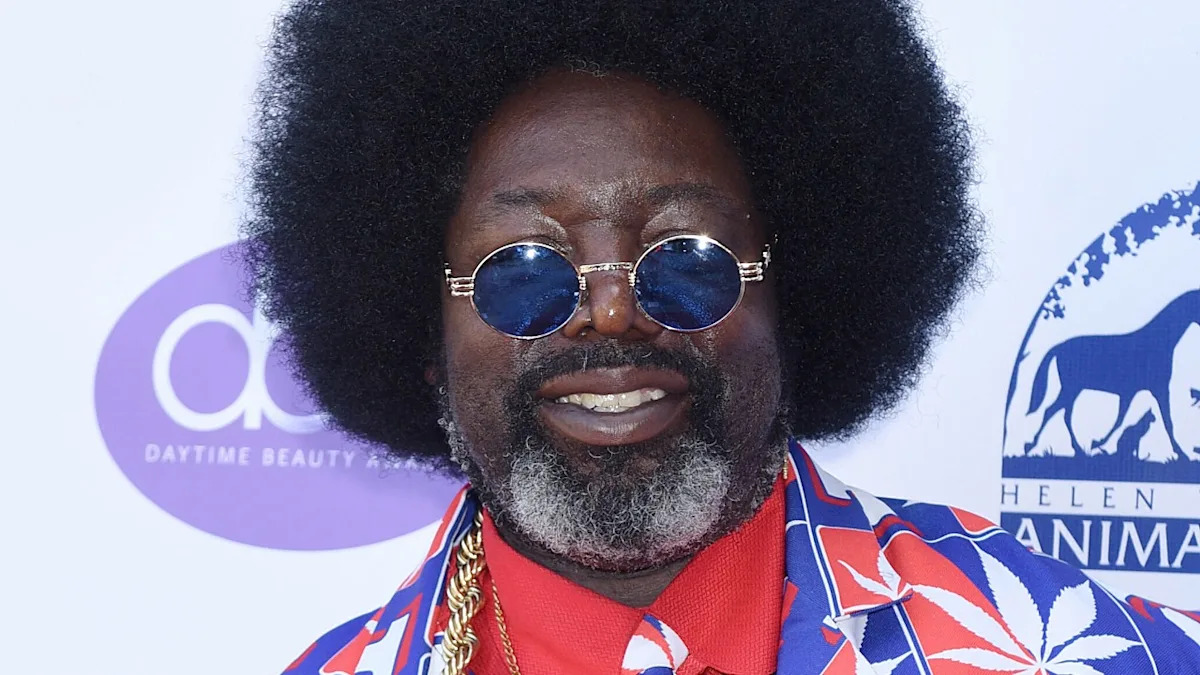
The stage was set for a compelling legal showdown, pitting Afroman’s First Amendment rights against the officers' claims of personal harm and privacy invasion. Afroman, clad in his signature coif, a patriotic red, white, and blue suit, and matching sunglasses, cut a distinctive figure in the courtroom. His testimony was unequivocal: "All of this is their fault. If they hadn’t wrongly raided my house, there would be no lawsuit, I would not know their names, they wouldn’t be on my home surveillance system, and there would be no songs… my money would still be intact."
His defense team vigorously argued that Afroman's artistic expressions were protected under free speech laws. They maintained that his work was satire, a commentary on his lived experience, and a legitimate response to an unwarranted and damaging raid. The defense emphasized that the officers, by entering a private home with a warrant that proved to be unfounded, had put themselves on camera. By extension, their actions became a matter of public interest, open to artistic interpretation and critique.
The central question of the Afroman trial revolved around the boundaries of free speech, particularly when it involves publicly accessible footage of law enforcement and the subjective experience of personal injury. Could Afroman be held liable for using footage from his own property, depicting public officials performing their duties, even if that use caused distress to those officials? This became the crux of the debate, with significant implications for both artistic freedom and civilian accountability.
Victory for Afroman: A Resounding Win for Artistic Expression
After an emotionally charged trial, an Adams County jury delivered its verdict: they sided with Afroman. The announcement left Joseph Foreman visibly emotional, a testament to the personal toll and significance of the legal battle. The judge acknowledged the emotional nature and the diligent efforts of both legal teams before reading the verdict in favor of the "Because I Got High" rapper.
In a powerful statement following his victory, Afroman expressed profound gratitude and a broader perspective on the outcome. “I didn’t win,” he declared. “America won. America still has freedom of speech. It’s still for the people by the people." He reiterated his core argument: "This whole thing is their fault. They broke into my house, put themselves on my video cameras, and into my music career. With my freedom of speech, I had the right to talk about the events going on in my life, with my family, with my friends, and with my fans."
This verdict is a significant moment for creators and citizens alike. It reaffirms the robust protection of the First Amendment, particularly when individuals use their own documentation to comment on interactions with public officials. It suggests that when law enforcement operates in a public or semi-public capacity, especially during official duties, they may find themselves subject to public scrutiny, including artistic and satirical interpretations, especially when that documentation comes from private surveillance.
Beyond the Verdict: The Lasting Impact of the Afroman Trial
The conclusion of the Afroman trial sends a clear message about the evolving landscape of public accountability and artistic freedom. This case underscores several critical insights and offers practical takeaways:
- The Power of Personal Surveillance: Afroman’s home surveillance system was not just evidence; it was the narrative's foundation. It allowed him to control his story and present a direct counter-narrative to the official account.
- Practical Tip: Investing in a robust home surveillance system can provide invaluable documentation in disputes or incidents involving law enforcement or other public entities. Ensure cameras are strategically placed and maintain clear recordings.
- Art as Advocacy and Recourse: Afroman successfully leveraged his artistic platform to seek justice and compensation for damages. His music and videos became a form of activism, turning a personal grievance into a public discussion.
- Analysis: This case highlights how creative expression can be a powerful tool for individuals to challenge authority, tell their stories, and seek redress when traditional avenues fall short.
- Redefining Public Figures: The trial touched upon the complex issue of whether law enforcement officers, while on duty and captured on private surveillance, become "public figures" in a context that allows for greater latitude in criticism and satire.
- Insight: The verdict suggests a judicial understanding that public servants, especially those exercising state power, operate under a different standard regarding privacy and defamation, particularly when their actions are documented and become part of a public narrative.
- The Enduring Strength of Free Speech: Afroman's victory is a powerful affirmation of the First Amendment. It reinforces the right of individuals to comment on and satirize events, even if those comments cause discomfort or distress to those depicted, provided they do not cross into provable malice or factual falsehood.
- Actionable Advice for Creators: While satire and commentary are protected, artists should be mindful of the difference between opinion/satire and outright false factual claims, which could still lead to defamation suits. Document everything meticulously.
The Afroman trial will undoubtedly be cited in future cases concerning digital content, citizen journalism, and the intersection of privacy and public service. It serves as a potent reminder that in an age of ubiquitous cameras and instant information sharing, transparency and accountability are increasingly becoming two-way streets.
In conclusion, the 'Lemon Pound Cake' trial transcends the typical celebrity legal drama. It's a foundational case for free speech in the digital age, demonstrating how a private individual, armed with surveillance footage and artistic license, can successfully challenge the authority and perceived privacy of law enforcement. Afroman's win is not just a personal triumph but a resonant victory for the broader principles of democratic expression and public oversight.